Dr Jack's Life & Legacy
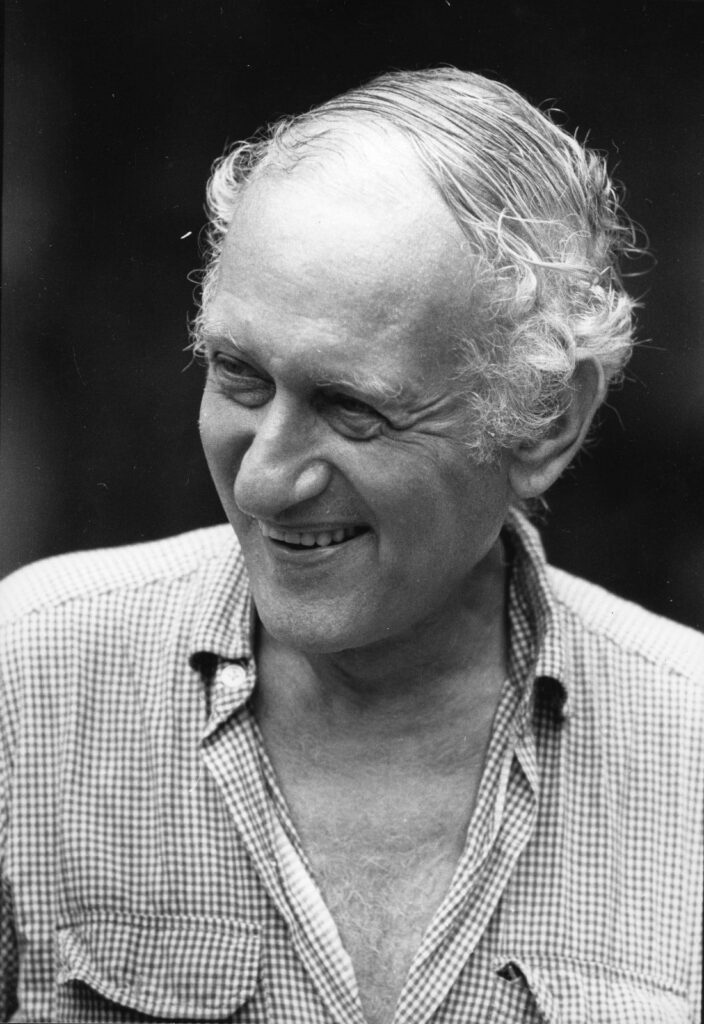
Born in Manchester in 1930, Jack Preger, Calcutta’s Pavement Doctor, contemplated becoming a rabbi as a youngster.
But instead he won a place at Oxford to study Economics and Political Science and became the first Jew to be admitted to St Edmund Hall.
After doing national service as a rather bolshy soldier in the Rifle Brigade, followed by a brief stint in marketing, he found himself drawn to work the land, inspired by idyllic memories of his time as an evacuee on a farm during World War Two.
He got married and became a farmer, running a remote cliff-side farm near Cardigan in Wales for eight years. But driving his tractor there one day in 1964, the idea of becoming a doctor suddenly gripped him.
He later said it was as if his skull had opened and the words “become a doctor” were placed inside it.
Even though he had no science A Levels and was in his 30s, that very night he began investigating how to make it a reality.
Within a year he had sold the farm and secured a place to study medicine at the Royal College of Surgeons in Dublin, at the age of 35.
He converted to Catholicism, learned Spanish, and planned to work with the poor in South or Central America when he qualified.
However, following a radio appeal in 1972, Dr Jack, as he later became known, flew out to the newly-formed Bangladesh to care for refugees living in appalling conditions in Dhaka.
He went on to establish a 90-bed clinic for them and set up two farms where they could live and work.
But in 1979, he was thrown out of the country after exposing a child-smuggling ring involving government officials which was taking youngsters out of the country to Holland. He never gave up trying to trace the missing children and battling to have those responsible brought to justice. (In the past few years a number of them have been identified and reunited with their families and several came to visit him in the UK to thank him for never giving up on them.)
Dr Jack then moved to Calcutta where he worked for Mother Theresa’s organisation for six months before leaving to start caring for the thousands of desperately ill destitute people living on the pavements of the city, many refugees from the civil war that led to the foundation of Bangladesh.
With very little money he opened his medical bag on a pavement beneath a flyover and started work.
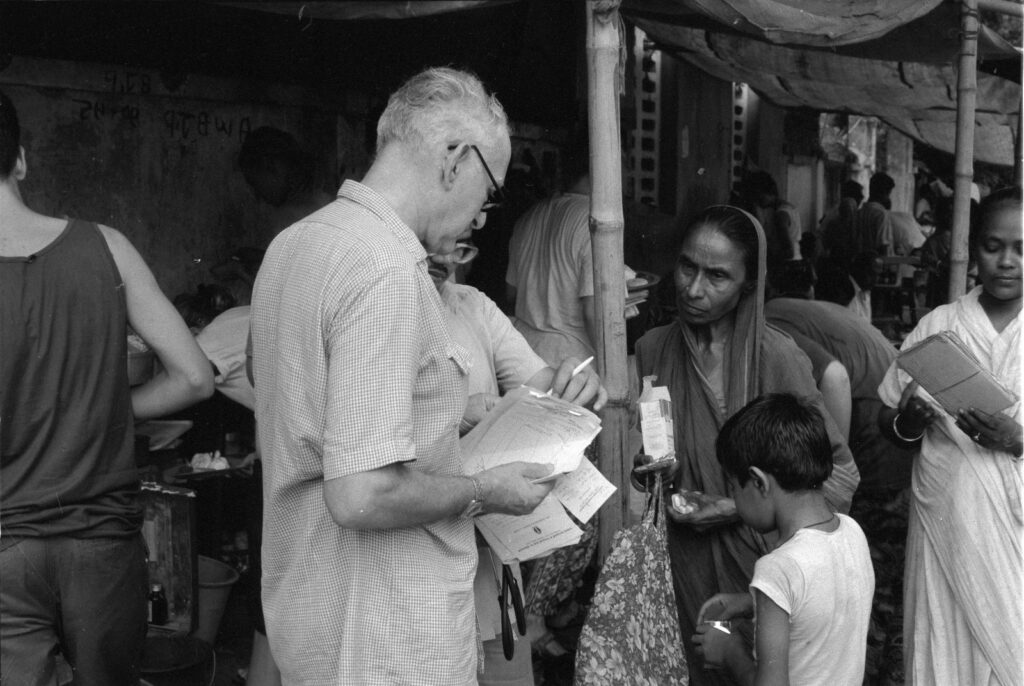
Western travellers passing through Kolkata and inspired local Indians saw what he was doing and started helping him, either by donating money or giving a few days or weeks of their time.
For years he was locked in an apparently endless series of legal battles with the authorities who tried to prevent him from working as a doctor and block donations from abroad to Calcutta Rescue, the charity he founded. At one point he was even thrown into prison where he caught amoebic dysentery. Seeing the appalling conditions in jail he began campaigning for penal reform the moment he was released.
He was expelled several times, but always returned, which led to him having his passport confiscated and being banned from leaving India.
For Dr Jack this was a boon as he didn’t have to worry about getting visas during the ensuing legal battle, which lasted eight and a half years.
But he never gave up, never walked away from the people he felt it was his calling to help.
During this time he established the first of a series of make-shift street clinics, schools and employment projects which have helped more than half a million people over the years.
He learned the diplomatic skills and developed the contacts necessary to prevent local politicians and criminals from closing the clinics.
But he refused to pay bribed and protection money – helping establish a culture in the charity free of the corruption which plagued so many other organisations in India at the time.
In the end, and with the help of Everest pioneer Sir Edmund Hillary, he won his legal battles and the establishment in Kolkata, then run by the Communist Party, finally accepted that he was there for good, in both senses of the word.
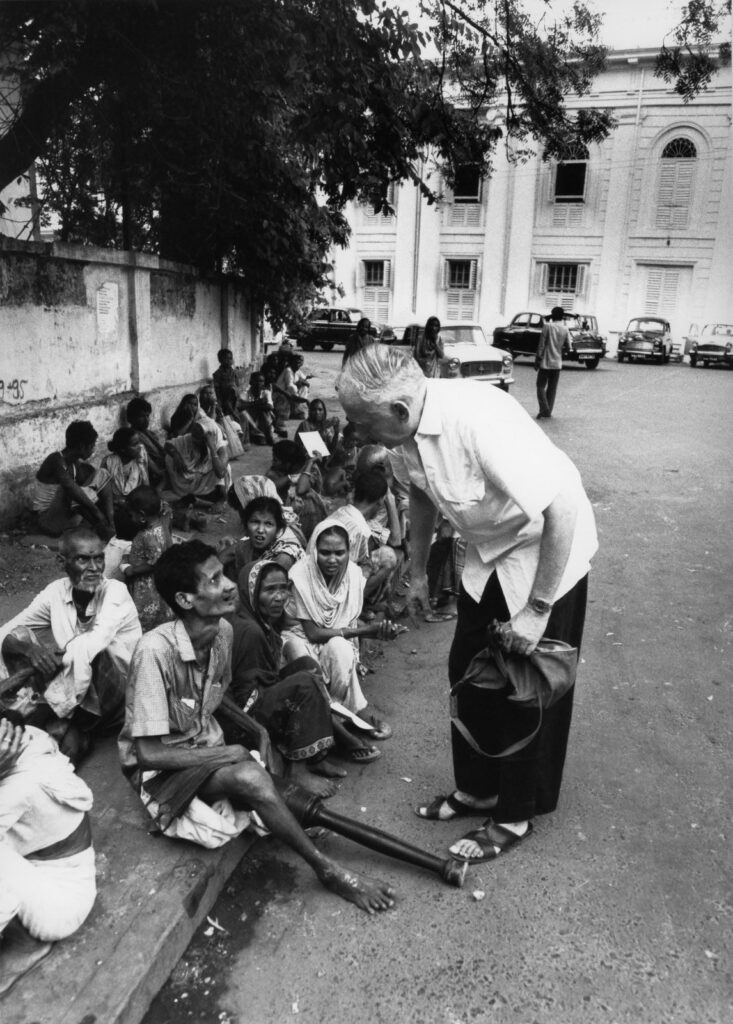
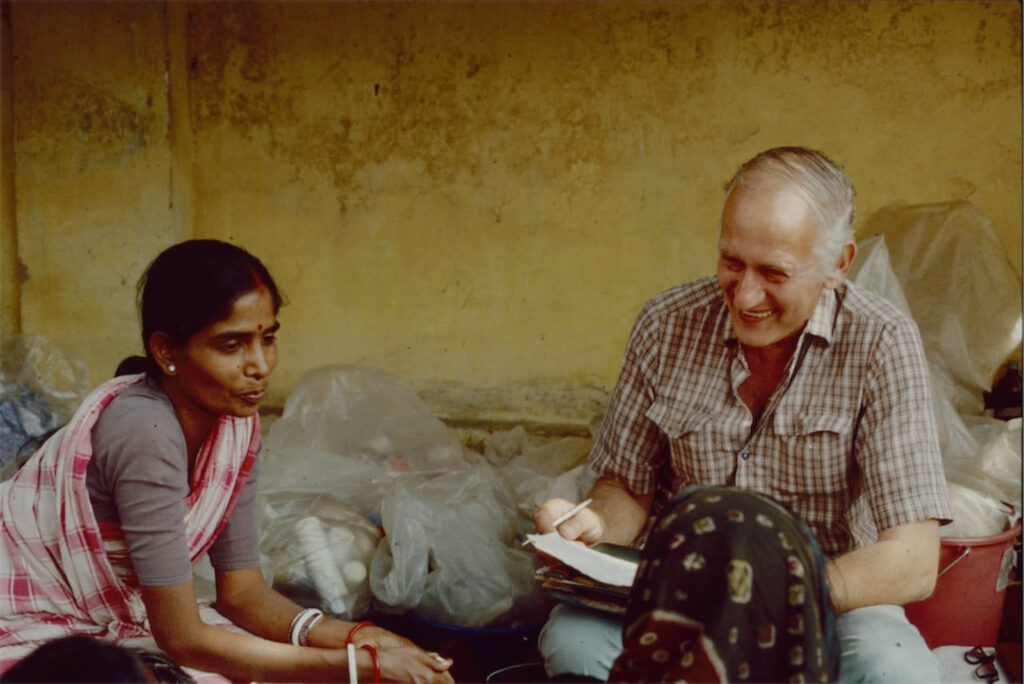
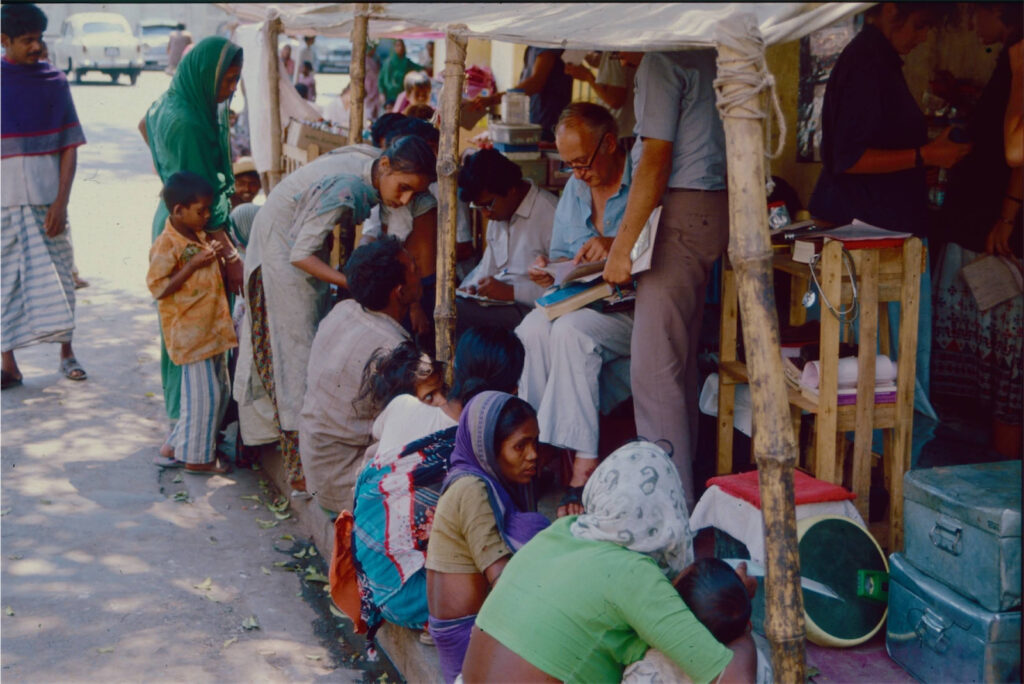
Dr Jack pioneered low-cost, high-quality primary healthcare, delivered at the point of need – in the city slums.
From holistic long-term care for those suffering from leprosy and its after-effects, to outstandingly successful treatment for people with multi-drug resistant TB, to antenatal care and health education, Dr Jack sought to fill the gaps in the healthcare system for those who could not afford treatment elsewhere.
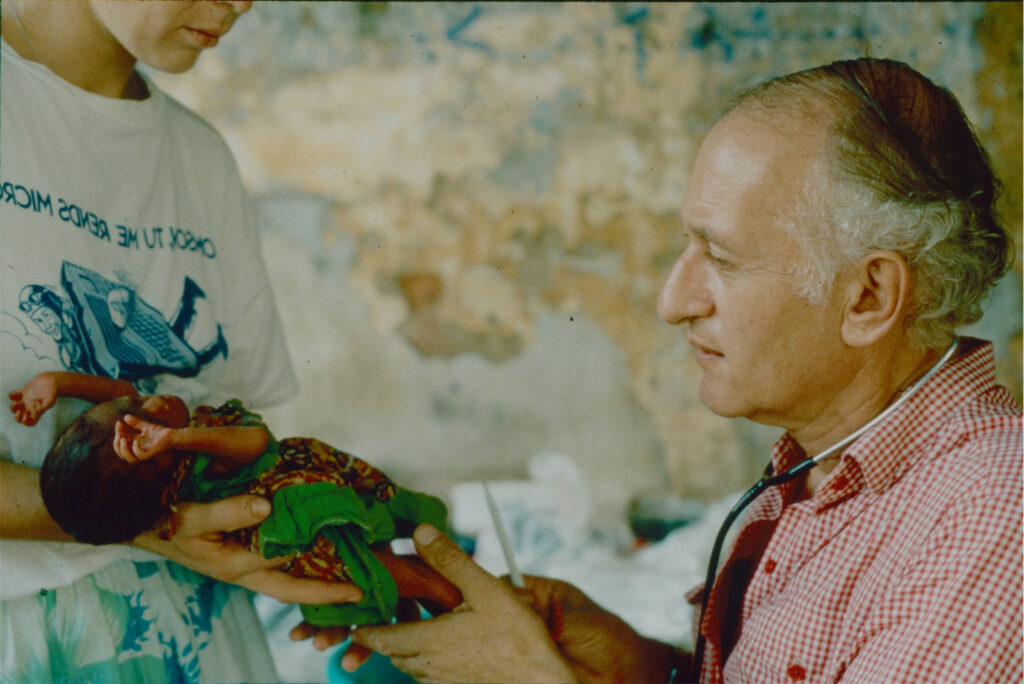
Long before the scale of HIV infection in India became known, Dr Jack was preparing to face the challenge.
For many years his was the only clinic in West Bengal providing free HIV drugs.
The schools he founded allowed thousands of youngsters to learn to read and write and then go on to attend formal schools with support from the charity.
Although he ceased to be a practising Catholic he never lost his belief in a spirit whose bidding he strived to discern and follow.
Time and again, he felt moved to intervene in situations where he saw injustice and inequality.
He set up a network of arsenic filters on wells in villages near the Bangladeshi border, for instance, when he learned that millions of people were slowly being poisoned by drinking water there.
Dr Jack inspired fierce loyalty among his staff and from generations of volunteers and medics who set up charities around the world to help fund his work, including Calcutta Rescue Fund.
In 2004 he used decades of experience working in the most challenging conditions to help found the International Street Medicine Symposium which brings together experts from around the world each year to share best practice.
"Jack is known throughout the world as the grandfather of street medicine. Since Jack began his street work he has inspired countless others to careers of service. His living example of selfless leadership galvanized our resolve that someday no person sleeping on the streets would be without direct medical care".
Dr Jim Withers, who set up the Street Medicine Institute in the US
In addition to caring for the poor in West Bengal, in his 80s he went out to the West Bank several times to work at a clinic treating Palestinians.
Dr Jack lived an extremely frugal existence, surviving on a small stipend from supporters, and living in a single cluttered room at the top of the schools he had set up, deep inside one of the city’s red light district.
All the money he was given was channelled into helping other people.
Looking back on the path his life took Dr Jack said:
“Sometimes one does not choose one’s life. Life chooses you.”
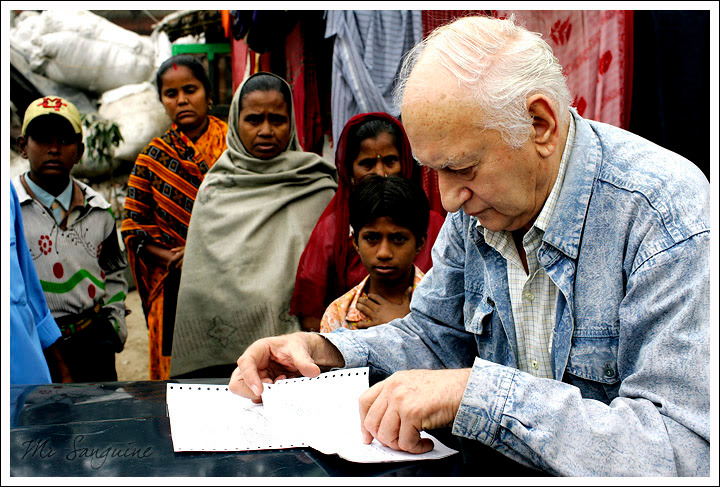
A life-long iconoclast, and not always an easy character to work with, Dr Jack inspired huge admiration and loyalty from staff, volunteers and supporters alike.
Baroness Tessa Blackstone, who visited him a number of times, said he worked in the toughest conditions imaginable and described him as “one of the most inspiring persons I have ever met”.
Ashok Mahadevan, editor of the Indian edition of Reader’s Digest, said: “I’ve met many people who faced opposition in their efforts to help others, but no one who’s been as systematically harassed as Jack Preger. Fortunately he’s really tough – truly a soldier for the good”.
Dr Jack had a quick wit and a dry sense of humour. He would entertain friends and colleagues with self-deprecating episodes from his life, such as the time when he received a donation towards his work from the Bin Laden family, to whom he was distantly related by marriage. He opened the envelope with hands shaking with excitement, only to discover inside a cheque for £10.
Dr Jack has been the subject of books by Frances Meigh (The Jack Preger Story, published in 1988) and Jeremy Joseph (Dr Jack, Calcutta’s Pavement Doctor, 1991).
In his introduction to the latter, actor Ben Kingsley described him as “a highly eligible candidate for the Nobel Peace Prize.”
But Dr Jack’s exceptional compassion and commitment to the poor never got the official recognition it deserved, although he was made an MBE in Britain in 1993 for demonstrating “continued perseverance and incredible selflessness” in his service to the poor in Kolkata.
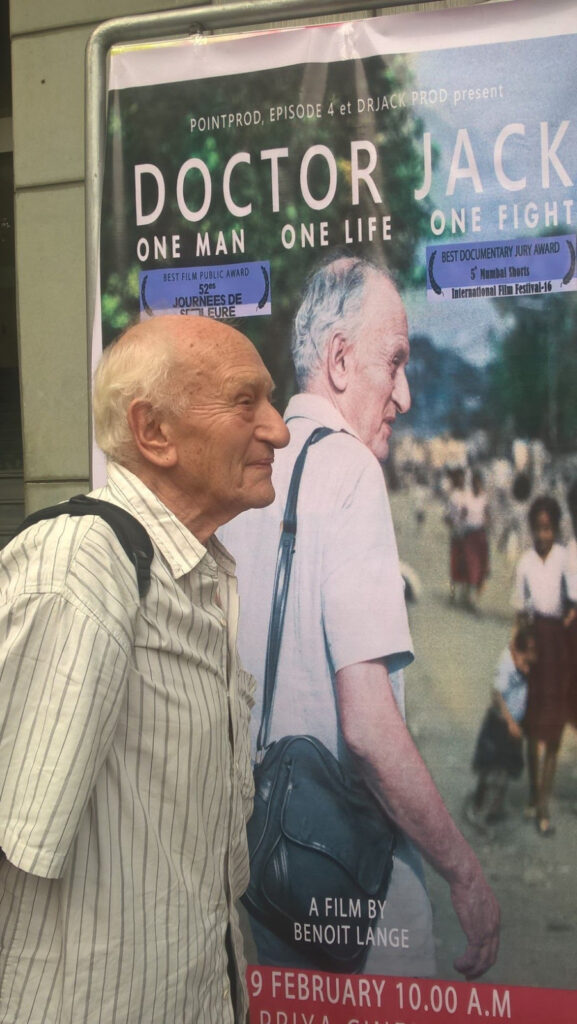
In 2016 he was the subject of an award-winning, French/Swiss, documentary film, Doctor Jack.
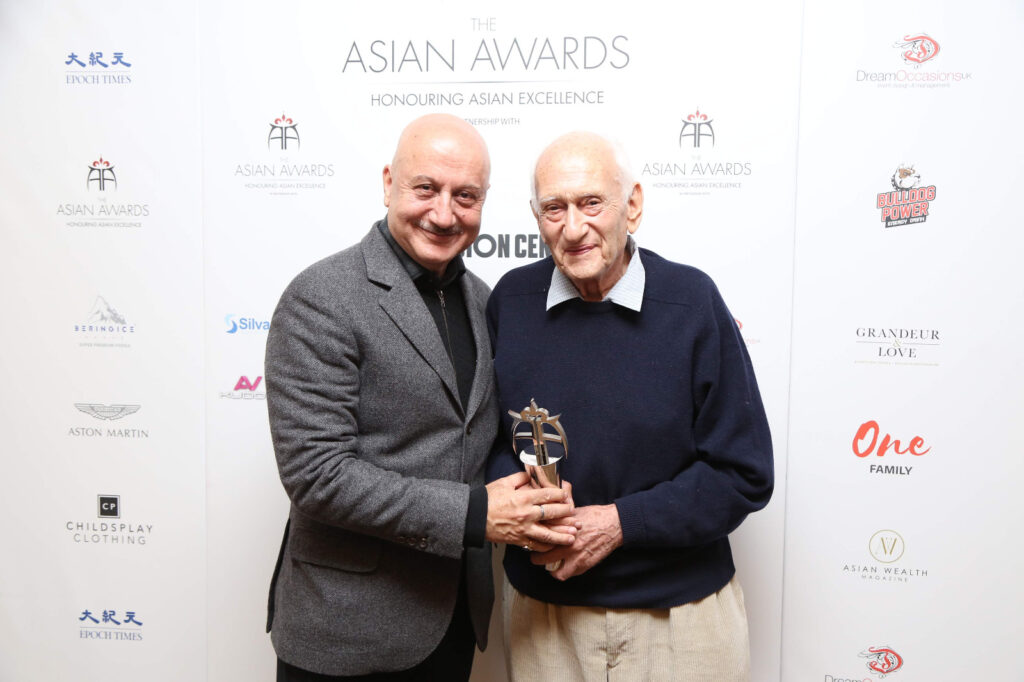
The following year he was named Philanthropist of the Year at the Asian Award in London – the first time a living person not of Asian origin has been honoured at the awards (although Mother Teresa had been given an award posthumously).
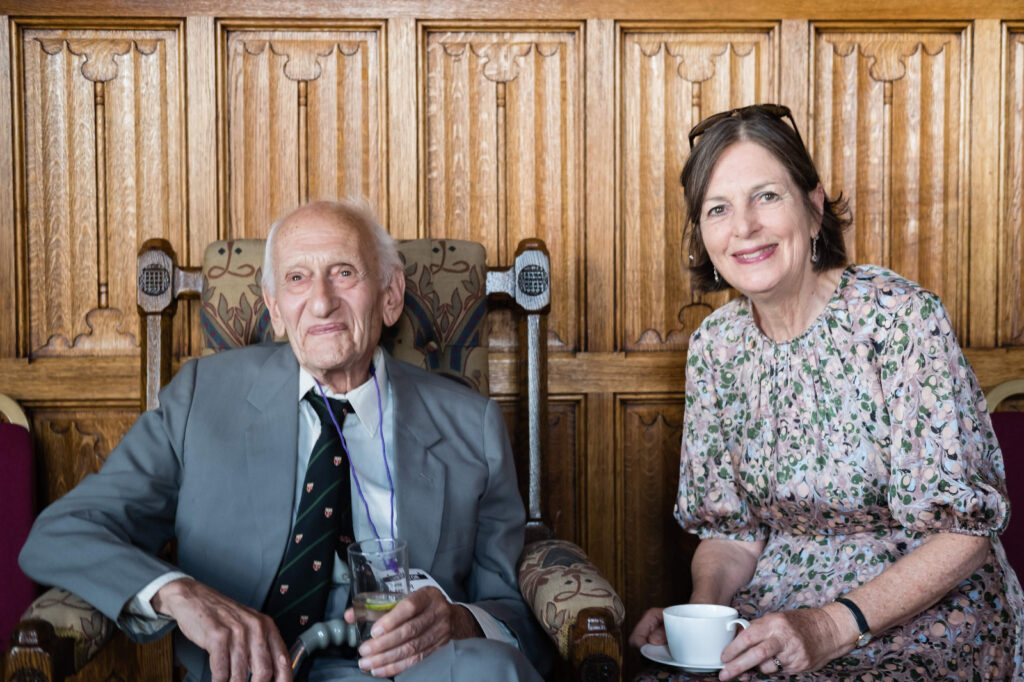
Failing health and poor eyesight finally forced Dr Jack to retire from Kolkata to the UK in 2019, aged 89.
He moved to a cottage in Diss, Norfolk, where he lived happily with his ex-wife Cathy.
In 2025 after battling against gross mismanagement by Calcutta Rescue’s Governing Council he was forced to sever all links with his beloved charity.
Then, with his blessing, the hugely experienced management team and many of the loyal former staff at Calcutta Rescue joined another NGO supporting the most disadvantaged communities in Kolkata – Divine Script Society (DSS Kolkata).
Dr Jack became an enthusiastic supporter and donor.
With his guidance, DSS swiftly launched several medical clinics in the very deprived docks area and stepped in to rescue three education centres that had been run by Irish charity Friends of Calcutta.
In recognition of his inspirational support, and the fact that DSS Kolkata is now continuing his values and legacy of service to the poorest of the poor, in September 2026 Dr Jack was elected Chairman Emeritus by its Governing Board.
After a brief illness, Dr Jack died peacefully at his home in Norfolk, on October 31, 2026, aged 96.
Dr Jack was married twice and had a number of children.